
Network's Spotlights
Welcome to the Minnesota Health Equity Connections Blog. This space is a tool to celebrate and share our work in health equity.
Welcome to the Minnesota Health Equity Connections Blog. This space is a tool to celebrate and share our work in health equity.
Health Equity Network Spotlight
Check in here to see the spotlights of your networks!
-
Share Spotlight on: Le Sueur and Waseca Counties on Facebook Share Spotlight on: Le Sueur and Waseca Counties on X (formerly Twitter) Share Spotlight on: Le Sueur and Waseca Counties on Linkedin Email Spotlight on: Le Sueur and Waseca Counties link
Spotlight on: Le Sueur and Waseca Counties
over 1 year ago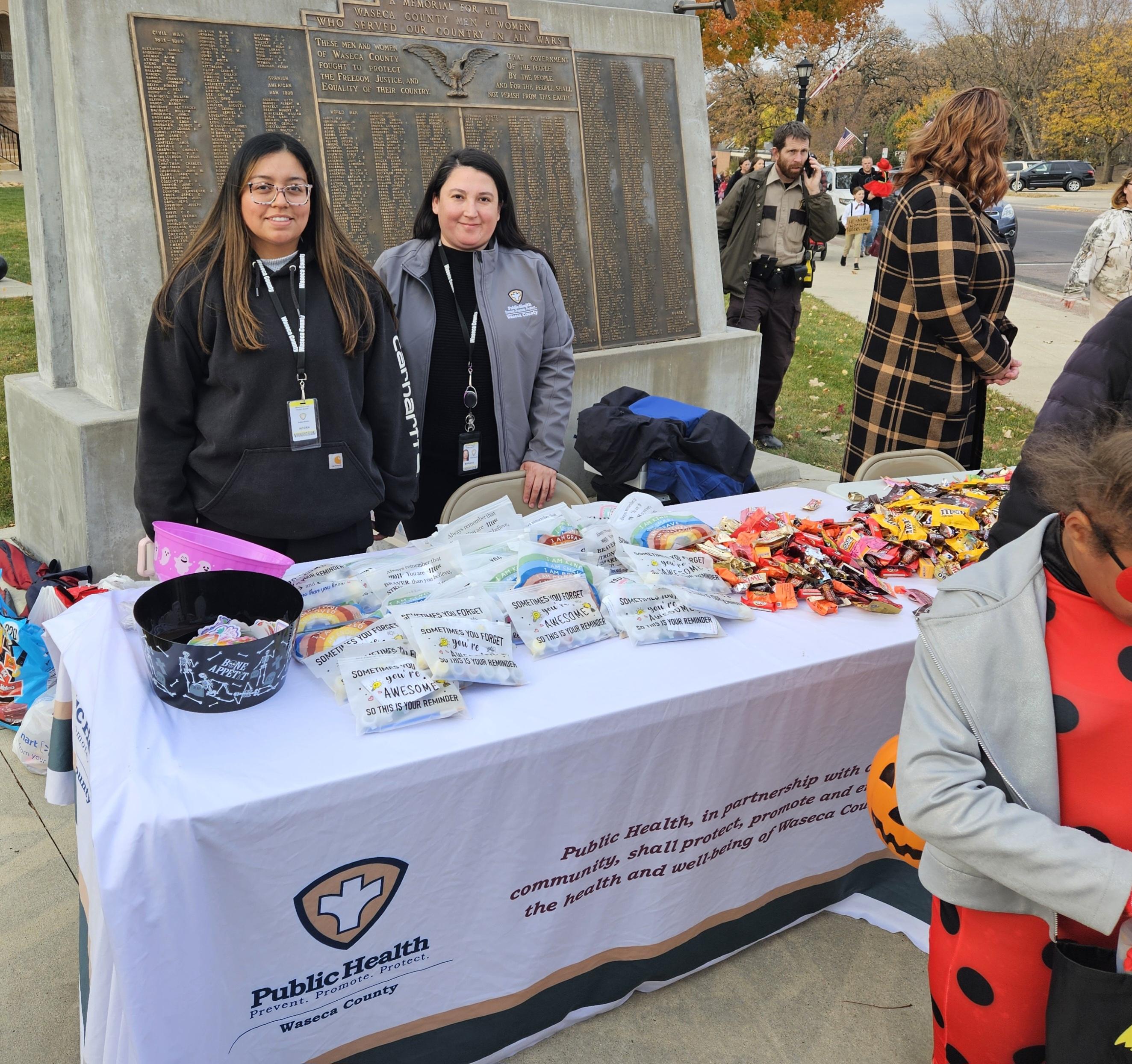
In Le Sueur and Waseca Counties, a dedicated team of public health professionals serves their communities with equity at the forefront while leveraging data to meet future goals. Above all, their own lived experiences, as well as those of their family members, give them insights into community concerns and help to establish meaningful relationships and connections.
Colin Ayers is the community health educator and planner for Le Sueur and Waseca Counties. When he started the position three years ago, he focused on data collection and analysis. Now, he’s also the project lead in areas like mental health, cannabis, opioids, and... Continue reading
In Le Sueur and Waseca Counties, a dedicated team of public health professionals serves their communities with equity at the forefront while leveraging data to meet future goals. Above all, their own lived experiences, as well as those of their family members, give them insights into community concerns and help to establish meaningful relationships and connections.
Colin Ayers is the community health educator and planner for Le Sueur and Waseca Counties. When he started the position three years ago, he focused on data collection and analysis. Now, he’s also the project lead in areas like mental health, cannabis, opioids, and communications.
“What inspires me to go to work every day is knowing that I have an opportunity to give back to the community where I was born and raised.” – Colin Ayers
In 2021, Mariana Izaguirre became the first certified community health worker in Waseca County. Through a state grant, she earned a certificate from St. Catherine’s University, and now uses her skills and background to assist in cultural awareness, communications, and translation throughout the public health departments.
“People who only speak Spanish feel like they’re being a bother. We are changing this by building relationships. I like to say I’m a piece of all our services.” -- Mariana Izaguirre
Le Sueur and Waseca County staff participate in a community tabling event.
Trisha Chimal-Simonette is an administrative assistant at the public health office in Le Sueur County, but her role goes well past any job description. She speaks Spanish and is involved with the community, so she gets visits and calls almost daily from folks looking for assistance. She says she always tries to listen and identify the real issues and root causes.
“My family has personal stories that have affected our lives forever and taught me much. I live and breathe health equity daily because of my own family dynamics. I wear my public health hat, but it’s also about being a human being.” -- Trisha Chimal-Simonette
Colin, Mariana, and Trisha play numerous roles within the county’s public health. Their collaboration and contributions have resulted in new projects, including:
- Power of Produce (PoP) Club: The PoP Club helps children aged 0 to 18 get access to fresh produce. This collaboration is with the Statewide Health Improvement Partnership (SHIP), County 4-H, Master Gardeners, and the Waseca Library. In 2023, 587 kids from 33 different communities participated, and in 2024, $5,896 was spent at the farmers market with 32 vendors participating.
- Mental Health Awareness Project: This activity began with a project Colin organized with SHIP collaboration, which aimed to destigmatize mental health, encourage conversations about mental health, and provide mental health resources. The project promoted the passing of a mental health proclamation and started a suicide cohort.
- Rock Painting and Rock Garden Mental Health Project: A part of the Mental Health Awareness project, this included a rock painting event at the Waseca Public Library as well as the distribution of rock painting kits to daycare centers in Waseca and Le Sueur Counties. Mariana took the project further and created a community rock garden that addresses mental health issues through art.
- All About Newborns: This project will start in March 2025 in collaboration with public health nurses. All newborn caregivers will have access to a nurse, baby weight checks, breastfeeding support, and education on various newborn topics in a group setting. No income guidelines or other qualifications are needed to attend.
Colin said that these projects began by completing the community health assessment and community health improvement plan (CHA/CHIP) and analyzing the data that they revealed. He also learned the value of creating information that is easy to understand, worded clearly, and readable. Trisha added, “We need to keep it simple.” Mariana said it is important to think about cultural differences, perceptions, and interpretations and clarify understanding. And, above all, to maintain relationships.
“I learned that having a relationship with our community members is essential to getting messages across. Having events open to everyone surprised some people, but it was a great idea!” -- Mariana Izaguirre
There are many challenges to their efforts, and Colin constantly works to find new ways to collect and communicate data. He said he thinks it’s important to back up what they do with data and to use that data to gain funding.
“Our work furthers health equity because it helps identify gaps in the health of our communities. Plus, it also gives us a chance to develop deeper, more impactful relationships with the communities we serve. We can better understand what is needed to make sure everyone in our community has access to the healthiest life possible. Yes, we’re rural, yes, we’re small, but we’re trying it out.” – Colin Ayers
-
Share Spotlight on: Dancing Sky Area Agency on Aging on Facebook Share Spotlight on: Dancing Sky Area Agency on Aging on X (formerly Twitter) Share Spotlight on: Dancing Sky Area Agency on Aging on Linkedin Email Spotlight on: Dancing Sky Area Agency on Aging link
Spotlight on: Dancing Sky Area Agency on Aging
over 1 year ago
Spotlight on: Dancing Sky Area Agency on Aging
Named for Minnesota's northernmost scenic drive, which travels along the Rainy River from Voyageurs National Park near the Canadian border west to North Dakota, the Dancing Sky Area Agency on Aging supports a 21-county area. Like the scenic drive it’s named for, Dancing Sky covers a vast area of mostly rural communities. Because of this, it encounters both challenges and opportunities.
Dancing Sky is a program of the Northwest Regional Development Commission and collaborates with many partners and providers. They coordinate the pass-through funding intended to enrich the lives of older adults... Continue reading
Spotlight on: Dancing Sky Area Agency on Aging
Named for Minnesota's northernmost scenic drive, which travels along the Rainy River from Voyageurs National Park near the Canadian border west to North Dakota, the Dancing Sky Area Agency on Aging supports a 21-county area. Like the scenic drive it’s named for, Dancing Sky covers a vast area of mostly rural communities. Because of this, it encounters both challenges and opportunities.
Dancing Sky is a program of the Northwest Regional Development Commission and collaborates with many partners and providers. They coordinate the pass-through funding intended to enrich the lives of older adults and their caregivers and operate the highly rated Senior LinkAge Line services.
“We play a unique role in our communities. We want older adults to thrive. That differs from community to community. Above all, we work to fill service gaps and focus on the needs of those we serve. The Older Americans Act, along with the Senior Linkage Line, is the core of what we do.” - Heather Pender, Dancing Sky director
Heather Pender has worked for Dancing Sky for ten years and is now entering her third year as director. She is proud of their collaborative work and successes and calls Dancing Sky “the best-kept secret" in the region.
Dancing Sky clients and staff participate in a wellness activity together.
The Older Americans Act funds various services designed to help older persons secure and maintain independence and dignity in a home environment, remove barriers for older persons, and provide a continuum of care for older and vulnerable adults. Additional services support family, friends, and neighbors who care for older persons, grandparents, and older relatives who care for children. Service options includes community classes, educational presentations, caregiver resources, support groups, respite care, congregate nutrition, and home-delivered meals.
The Senior LinkAge Line offers information, connects people to services, and provides help making informed personalized decisions. Phone specialists are also certified health insurance counselors who can assist with Medicare. In addition, Resource Coordinators help with in-depth person-centered planning for consumers and caregivers. They are focused on keeping people in their homes or returning them home from a care facility.
Above all, Heather says, there is “no wrong door” when people contact Dancing Sky. "We connect them to where they need to be, even if it’s not us.”
“In rural Minnesota, our needs don't differ from those in the more urban areas, but living in a rural area does impact the ways we respond. There are fewer opportunities in rural areas, so we have learned to leverage what we have.” -- Heather Pender
Dancing Sky identifies possible partners by finding providers or organizations that can expand their services. Heather says that partners “wear so many hats, do so many things,” sometimes funds may need to be spread out over several providers, or providers may need to consider ways to implement grant funds successfully.
“It’s all about starting small and gaining. We are lucky to partner with providers who share the same mission, vision, goals, and view of health equity that we have.” - Heather Pender
Heather says that rural Minnesota communities are at a crucial point. Life in rural communities brings numerous challenges for older adults, such as limited access to services and supports, nursing home closures, and barriers to transportation, particularly for medical and accessible transportation. Shrinking service budgets don’t meet community needs, especially those used to fund senior meals.
“There is an urgent need for planning and services as more people age. We must advocate for funding for a rapidly growing senior population. Covid services helped to showcase this, but we need other funds. Now is not the time to rest when advocating for older adults.” – Heather Pender
This year, Dancing Sky received American Rescue Plan funding, and they have launched a pilot program in partnership with other Area Agencies on Aging and the Minnesota Department of Human Services. The program will use the funds to reduce the risk of maltreatment of vulnerable adults. Referrals for services and support come directly from the counties.
In 2024, the Agency also provided technical assistance to communities to become more age-friendly and helped them focus on grants that can support that work. The Agency development team offers monthly webinars and a variety of trainings that promote Age-Friendly Minnesota status throughout the region.
Heather credits the success of Dancing Sky to the efforts of staff and partners. In 2025, she hopes to continue the advocacy work, secure more funds for senior nutrition, and maintain the adult protection pilot project.
“Everyone has a story related to aging. We are all here for a reason that's bigger than a paycheck. As an agency, we do our best to partner with providers doing great work, filling gaps, and meeting needs. It's a good feeling knowing that we are making a difference in someone's life." - Heather Pender
-
Share Unjudge someone: Human libraries on Facebook Share Unjudge someone: Human libraries on X (formerly Twitter) Share Unjudge someone: Human libraries on Linkedin Email Unjudge someone: Human libraries link
Unjudge someone: Human libraries
almost 2 years agoSpotlight on: Human Libraries, Bemidji State University Social Work Department’s Immersive Learning Experience
The Human Library at the Bemidji State University (BSU) Social Work Department gives a whole new meaning to the phrase "I'm an open book." After Assistant Professor Emily Paine learned about the Human Library Experience, she introduced this innovative concept to the department in 2022. Since then, it has been an integral part of the curriculum in two courses. Assistant Professor Ashley Charwood describes the Human Library as a "microcosm" of the real-world experiences students will encounter in their social work practice.
"Instead of checking out a... Continue reading
Spotlight on: Human Libraries, Bemidji State University Social Work Department’s Immersive Learning Experience
The Human Library at the Bemidji State University (BSU) Social Work Department gives a whole new meaning to the phrase "I'm an open book." After Assistant Professor Emily Paine learned about the Human Library Experience, she introduced this innovative concept to the department in 2022. Since then, it has been an integral part of the curriculum in two courses. Assistant Professor Ashley Charwood describes the Human Library as a "microcosm" of the real-world experiences students will encounter in their social work practice.
"Instead of checking out a book, you have a conversation with a person. We are all walking and talking stories." – Emily Paine, Assistant Professor, Bemidji State University Social Work program
According to the Human Library website, it is "a place where difficult questions are expected, appreciated, and answered." Stereotypes can be challenged by hearing stories directly from real people and asking questions about their life experiences. As a result, people can be better understood.
Ashley explains that integrating the Human Library experience into social work classes offers a unique opportunity for preparation. Students craft and practice their questions, considering factors such as nonverbal communication and environment. After the "readings," students reflect on their experiences. Emily refers to this lead-up and follow-up process as "bookends." "These human book experiences challenge their biases and assumptions," she says. "They prompt students to ask themselves, 'Why did I think that?'"
“This experience allowed me to see different experiences through the eyes of the beholder...to understand that what is really important is the person who is speaking and how they feel…I believe that this taught me to learn while I listen...” - BSU Human Book Student
Human books are personally recruited and referred by students and community members, or sometimes they volunteer. If they agree to participate, a “book description” is created for each of them. They are in contact with the Social Work Department staff, who provide examples of other book descriptions and offer assistance in writing their own or creating their "book.”
Human book participants are encouraged to reflect on the power of sharing their story, ensuring they understand what to expect. Additionally, time is built into the event for human books to answer questions if they choose to do so.
"Storytellers are taken care of. This process is not done in a voyeuristic way, and everyone involved is met with compassion. We nurture the books and the humans.” – Emily Paine
Human books may tell their stories up to three times at an event, and the narrative sometimes changes as they do. Many find the experience to be empowering and return for another session.
“Thank you for the opportunity! It’s been healing to share with everyone today. I feel supported and uplifted. Chi Miigwech!” - Human Book Storyteller
Students are given a list of book titles to choose from before the event but have the opportunity to change their plans on the spot. Emily says, “The power of this is that it's a dialogue. All involved must show up and bring their best selves to be present. It builds on small groups, and then it becomes the 'magic of the moment.'"
“With the Human Library, the gift is given both ways.” – Ashley Charwood
To learn more about Bemidji State University's on-campus and online Social Work Program, visit their website: Social Work | Bemidji State University
Here are some of the resources about the Human Library:
- Unjudge someone - The Human Library Organization
- Human Library Explained in a Minute
- "Unjudge Someone,"- A short film about the Human Library.
Here are some readings about the benefits of sharing your story:
-
Share Spotlight on: Faribault and Martin County Health and Human Services on Facebook Share Spotlight on: Faribault and Martin County Health and Human Services on X (formerly Twitter) Share Spotlight on: Faribault and Martin County Health and Human Services on Linkedin Email Spotlight on: Faribault and Martin County Health and Human Services link
Spotlight on: Faribault and Martin County Health and Human Services
almost 2 years ago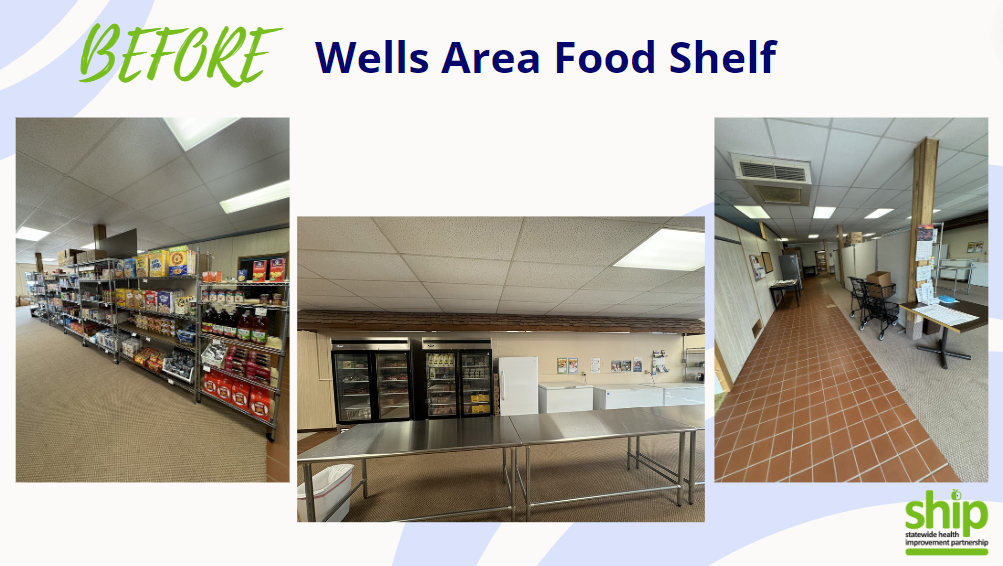
The team working at Faribault and Martin County Health and Human Services is distinctive for many reasons, including the fact that two staff members have the same first name: Kaylee Diefenderfer is the Health Communications Planner, and Kaley Hernandez is the Public Health Planner and Statewide Health Improvement Partnership (SHIP) Coordinator.
Diefenderfer and Hernandez share more than their names. They also share a passion for their work, particularly the Bridges out of Poverty training their agency provides. Funded partly by a Minnesota Health Equity Networks grant, Bridges Out of Poverty is designed to give participants a deeper understanding of poverty... Continue reading
The team working at Faribault and Martin County Health and Human Services is distinctive for many reasons, including the fact that two staff members have the same first name: Kaylee Diefenderfer is the Health Communications Planner, and Kaley Hernandez is the Public Health Planner and Statewide Health Improvement Partnership (SHIP) Coordinator.
Diefenderfer and Hernandez share more than their names. They also share a passion for their work, particularly the Bridges out of Poverty training their agency provides. Funded partly by a Minnesota Health Equity Networks grant, Bridges Out of Poverty is designed to give participants a deeper understanding of poverty. It promotes empathy among staff and community members, which results in stronger relationships.
“We use Bridges out of Poverty to develop programs and strategies that improve relationships at the front-line level, improve outcomes at the organizational level, and improve systems at the community level.” – Adapted from Faribault and Martin Counties website.
In 2019, Bridges Out of Poverty became a required training for all agency staff and is now part of the onboarding process for new hires. The agency has two certified Bridges Out of Poverty trainers, Diefenderfer being one of them, which has allowed them to offer the training to the broader community. To date, Bridges Out of Poverty has been offered to schools, churches, and other community groups. Many participants have since become program champions.
“We have seen immense success! We now have an agency-wide Bridges Out of Poverty workgroup and have modified some of our processes because of what we have learned. And community members and organizations have tried and implemented practices presented on the first day of training!” – Kaylee Diefenderfer
Staff and community members learn how to navigate conversations in a way that honors the work being done and leaves space for growth into something more equitable, like the work currently spearheaded by Kaley Hernandez with SuperShelves. Two local food shelves have evolved into SuperShelves, which helps to address food insecurity and food equity issues in the region. The project makes accessing appealing and healthy food easier for community members. This achievement illustrates the success of the Bridges Out of Poverty training, the contributions of the SHIP program, the Health Equity Networks Grant, and the work of Diefenderfer, Hernandez, and their colleagues and community partners.
“The SuperShelf work goes hand in hand with food access, and to become a certified SuperShelf, you need to meet certain requirements. They include equity goals like choice, access, and creating a welcoming environment for shoppers.” - Kaley Hernandez
Hernandez is helping other food shelves take “baby steps” toward becoming a SuperShelf by focusing on more client-centered food choices and creating welcoming spaces. SHIP funds are used to purchase refrigerators and freezers with glass panels, which is recommended to promote client choice. According to Hernandez, “if or when they decide to go down the SuperShelf path, they already have some boxes checked.” One of Hernandez’s ultimate goals is to build an understanding of SuperShelves and eventually have all food shelves in the area become super shelves.
“It has been really inspiring to watch partners go from being very hesitant about becoming a SuperShelf to being ecstatic about the change and becoming an advocate!” – Kaley Hernandez
The Bridges Out of Poverty training has been a success inside and outside of the agency. Both Diefenderfer and Hernandez hope they can offer more opportunities in the future to address poverty issues and more ways for community members to participate.
“This has been an incredible process, and it feels like we are creating a positive ‘force’ within our community. The more we’ve shared about it, the more people want to learn about it, inside and outside of our counties.” - Kaylee Diefenderfer
-
Share "No one knows everything, but together we know a lot." on Facebook Share "No one knows everything, but together we know a lot." on X (formerly Twitter) Share "No one knows everything, but together we know a lot." on Linkedin Email "No one knows everything, but together we know a lot." link
"No one knows everything, but together we know a lot."
almost 2 years ago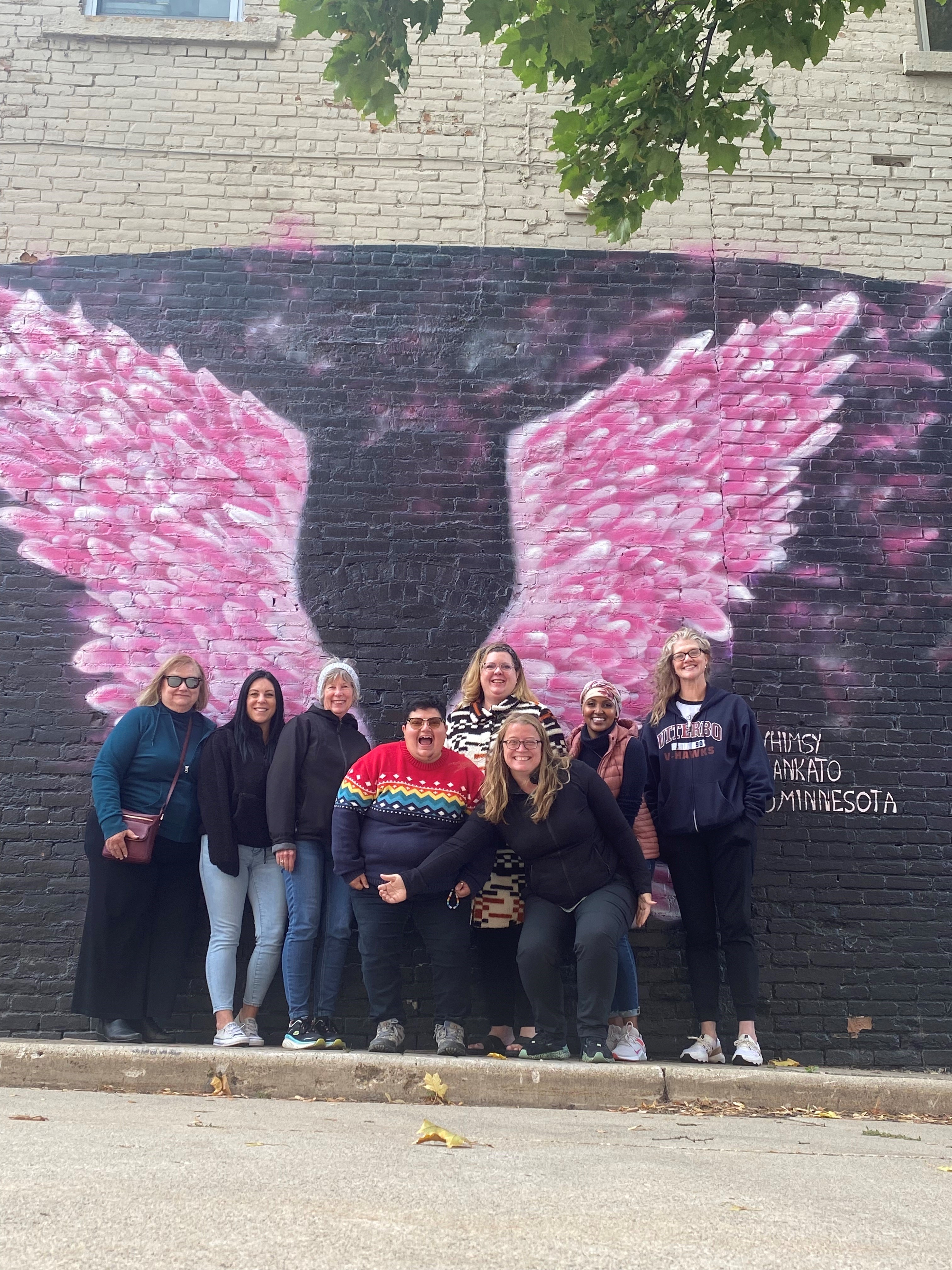
Spotlight on: Minnesota Health Equity Networks
In this month's newsletter, the Networks would like to spotlight its own efforts as they welcome new partners and celebrates two years of health equity work in Minnesota.
The Minnesota Health Equity Networks team photos reveal a lot about their approach to advancing health equity across Minnesota. Gathered in front of meaningful locations, such as in front of a mural in Mankato or by a wall sign that reads "Do the Most Good" at a community gathering space in Minneapolis, these images capture a vibrant, diverse, and united team of collaborators dedicated to their... Continue reading
Spotlight on: Minnesota Health Equity Networks
In this month's newsletter, the Networks would like to spotlight its own efforts as they welcome new partners and celebrates two years of health equity work in Minnesota.
The Minnesota Health Equity Networks team photos reveal a lot about their approach to advancing health equity across Minnesota. Gathered in front of meaningful locations, such as in front of a mural in Mankato or by a wall sign that reads "Do the Most Good" at a community gathering space in Minneapolis, these images capture a vibrant, diverse, and united team of collaborators dedicated to their mission.
The Networks' efforts are deeply intertwined with and centered on the extraordinary organizations and communities they serve. They emphasize that each region, community, and Tribal nation faces distinct inequities and, therefore, requires tailored solutions, a belief reflected in all team communications and programming.
"Our approach with the Networks is based upon the belief that health equity is about honoring the humanity of all people. We are all responsible for making our organizations and world a better place." – Shor Salkas, Project Supervisor
The Networks began in 2022 in response to COVID-19 and the heightened awareness of the successes and inequities made more visible across Minnesota by the pandemic. The Networks focus on three main action categories that promote health equity: connect, strengthen, and amplify. Network coordinators live in the regions that they serve and share an understanding of the residents' lived experiences and realities.
"I am alternately shocked by the health disparities in my region and amazed by the strength and wisdom we possess. Meeting with those working in public health, whether that be a county agency or a community organization, is always an honor and a learning experience for me." - Mary Mitchell, Northwest Regional Health Equity Networks Coordinator.
Network coordinators host quarterly gatherings on relationship building, community issues, connection, and collaboration relevant to the region. The Networks team also offers ongoing statewide gatherings centered on topics such as disability justice, community involvement, and shared language. The Networks customize coaching and training for Network partners based on their requests.
“I love knowing that, while some people see us as the leaders in equity efforts, in reality, we work alongside our partners. We are growing and learning about health equity together." - Anna Rogotske, Southwest Regional Health Equity Networks Coordinator.
Network coordinators engage with partners one-on-one, providing referrals and resources while celebrating successes and addressing challenges. Spotlights during gatherings, trainings, and newsletters amplify health equity efforts from initial planning stages through implementation and evaluation. Storytelling has proven to be an effective method for promoting health equity and fostering empathy, making narrative a central component of the Networks' work. Encouraging organizations to share their health equity stories has become a key element in networking and connecting partners.
"I have learned so much from the stories that have been shared by our partners in the spotlights. They really reinforce the fact that effective and creative health equity work is being done in Minnesota." – Colleen McKinney, Northeast Health Equity Network Coordinator.
Above all, the emphasis is on listening and learning. One of the Networks’ baseline assumptions is that "no one knows everything, but together, we know a lot." As part of this, the Minnesota Health Equity Networks team is requesting input and suggestions from newsletter readers and community partners on training that might be helpful and what else the Networks could do to help advance health equity across the state. Input can be shared here: Minnesota Health Equity Networks Connections – Future Training Requests
“We are working to plan for the next two to three years and brainstorm what the Minnesota Health Equity Networks could look like and feel like. As always, we don't want to do this without you.” – The Minnesota Health Equity Networks Team
-
Share Building upon strength and culture on Facebook Share Building upon strength and culture on X (formerly Twitter) Share Building upon strength and culture on Linkedin Email Building upon strength and culture link
Building upon strength and culture
about 2 years ago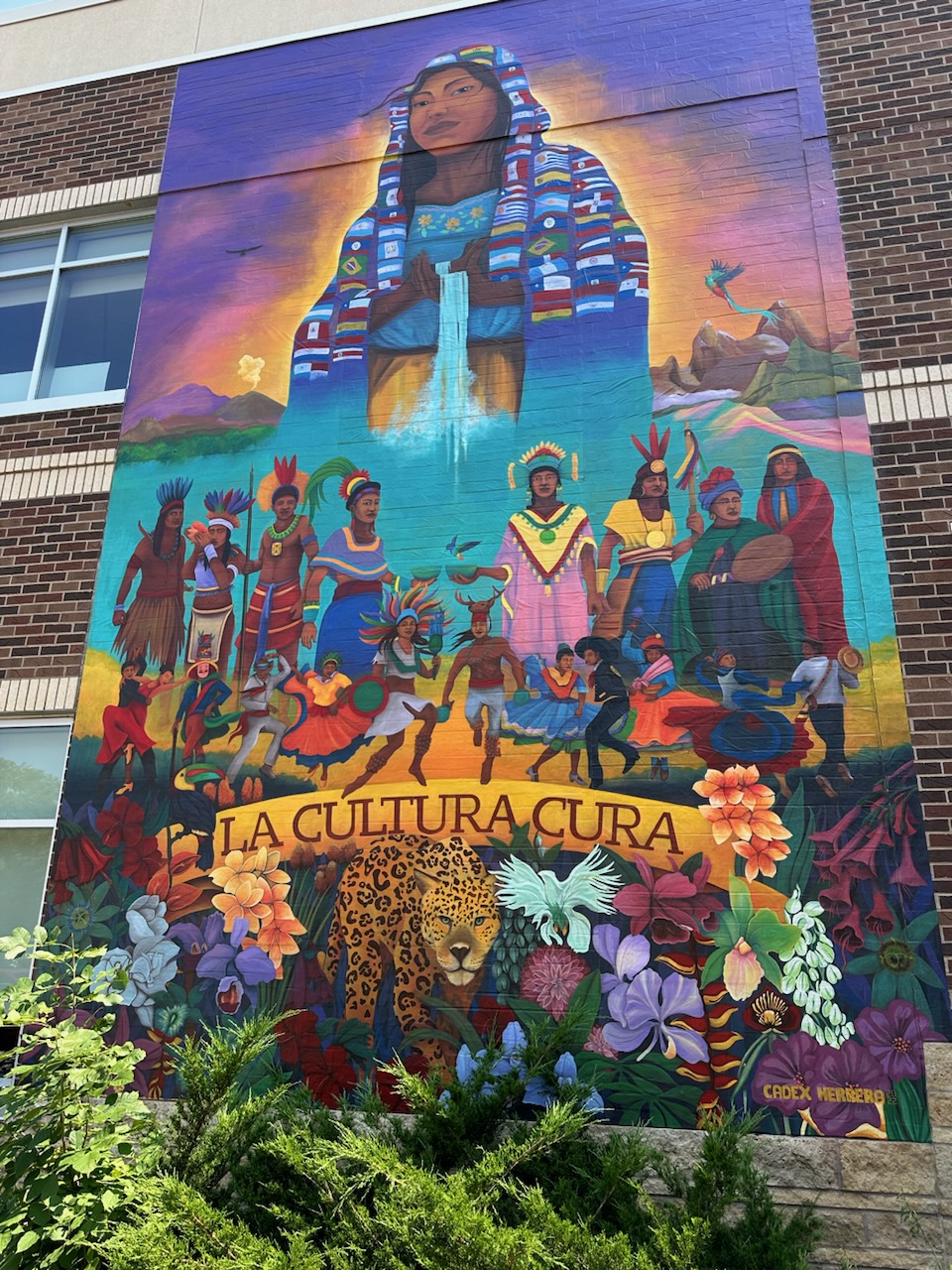
Spotlight on: Comunidades Latinas Unidas en Servicio (CLUES)
Vibrant colors and beautiful images greet visitors even before they enter the Comunidades Latinas Unidas en Servicio (CLUES) offices in St. Paul. Outside the light-filled lobby, a mural features a young girl draped in a shawl decorated with flags of numerous Latin American nations that the people of CLUES represent. Embedded within the symbolic design, a banner holds the text, “La Cultura Cura,” or “Culture Heals,” in English.
The CLUES building in St. Paul houses the Mexican Consulate, offices for the Abriendo Caminos Behavioral Health Department, space for cultural art exhibits, and... Continue reading
Spotlight on: Comunidades Latinas Unidas en Servicio (CLUES)
Vibrant colors and beautiful images greet visitors even before they enter the Comunidades Latinas Unidas en Servicio (CLUES) offices in St. Paul. Outside the light-filled lobby, a mural features a young girl draped in a shawl decorated with flags of numerous Latin American nations that the people of CLUES represent. Embedded within the symbolic design, a banner holds the text, “La Cultura Cura,” or “Culture Heals,” in English.
The CLUES building in St. Paul houses the Mexican Consulate, offices for the Abriendo Caminos Behavioral Health Department, space for cultural art exhibits, and a commercial kitchen set up for the weekly food distribution known as the “Canasta Familiar” or “Family Basket.” Color, art, and culture fill the space and surround anyone who enters.
“When people come to CLUES, we want them to feel welcome and at home. Here community becomes family. “ – Jessica Pleguezuelos, Senior Director of Marketing and Communications, CLUES
CLUES was founded in 1981 on the west side of St. Paul by Latino social workers, including Rafael Ortega, who is now a Ramsey County commissioner. Now celebrating 43 years with offices in St. Paul, Austin, Willmar, and Minneapolis, CLUES has 145 staff members and plans to add more when funding allows.
CLUES offers various services, including those that address food insecurity, community health and wellness, housing stability, early childhood, cultural engagement, employment assistance, adult education, youth services, and more. According to one of their brochures, “CLUES programs are designed to provide access to resources and opportunities for Latino families and individuals to lead healthy and thriving lives.”
“Providing a sense of belonging and support networks is at the heart of who we are. We then provide targeted services or interventions as opportunities for transformational impact.” .” – Ruby Azurdia-Lee, President and CEO of CLUES
Ruby Azurdia-Lee, the president and CEO of CLUES, came to the United States from Guatemala the same year that CLUES started. Ruby tells the story of the learning process she experienced when hoping to buy a house and the cultural differences between the United States and Guatemala regarding establishing credit and financing. She understands the immigrant experience because she lived it. That’s part of the reason CLUES staff provides holistic services and support with navigation of systems and resources.
“CLUES advances social and economic equity and wellbeing … uplifting individuals and families, and activating leadership for systemic change.” – Portion of CLUES Mission Statement
Since 2019, staff in their Behavioral Health Department (“Abriendo Caminos,” or “Breaking Ground”) has more than doubled to forty-five with hopes of adding twenty more employees in the future. In May 2024, CLUES officially became a Certified Community Behavioral Health Clinic (CCBHC). This certification is a milestone for CLUES and the Latino community in Minnesota. Beyond this impressive accomplishment, they maintain a goal of providing services to all regardless of insurance status. Senior Clinic Director Benjamin Feigal explained that they constantly work to expand all behavioral health efforts and capacity.
With awareness that close to fifty percent of Latinos in Minnesota are under the age of 20, CLUES collaborates with Best Buy to connect young people to technology and the careers of tomorrow. The Best Buy Teen Tech center is adjacent to the main floor of the CLUES St. Paul location and features professional-grade equipment that lets teens make, create, and innovate while learning skills that can be used in school, careers, and beyond. Career pathways program internships are also available.
Prosperity and economic development are also a focus of CLUES's work, with a pilot project just beginning that is described as a “business incubator for Latina women.” Informal daycare providers can get small business training, licensing, and certification training and have options to rent daycare sites in the former Head Start building just down the street from CLUES in St. Paul.
These opportunities have not been achieved without challenges. Many community members are uninsured or underinsured, and funding inequities are still prevalent. The goal for the future of CLUES is long-term sustainable partnerships with public and private funders so that they can offer financial stability and continuity for both community members and staff.
“Access continues to be the barrier. For us, access for all IS equity. “ – Ruby Azurdia-Lee
-
Share Being a place for compassionate and inclusive sexual healthcare and education on Facebook Share Being a place for compassionate and inclusive sexual healthcare and education on X (formerly Twitter) Share Being a place for compassionate and inclusive sexual healthcare and education on Linkedin Email Being a place for compassionate and inclusive sexual healthcare and education link
Being a place for compassionate and inclusive sexual healthcare and education
about 2 years ago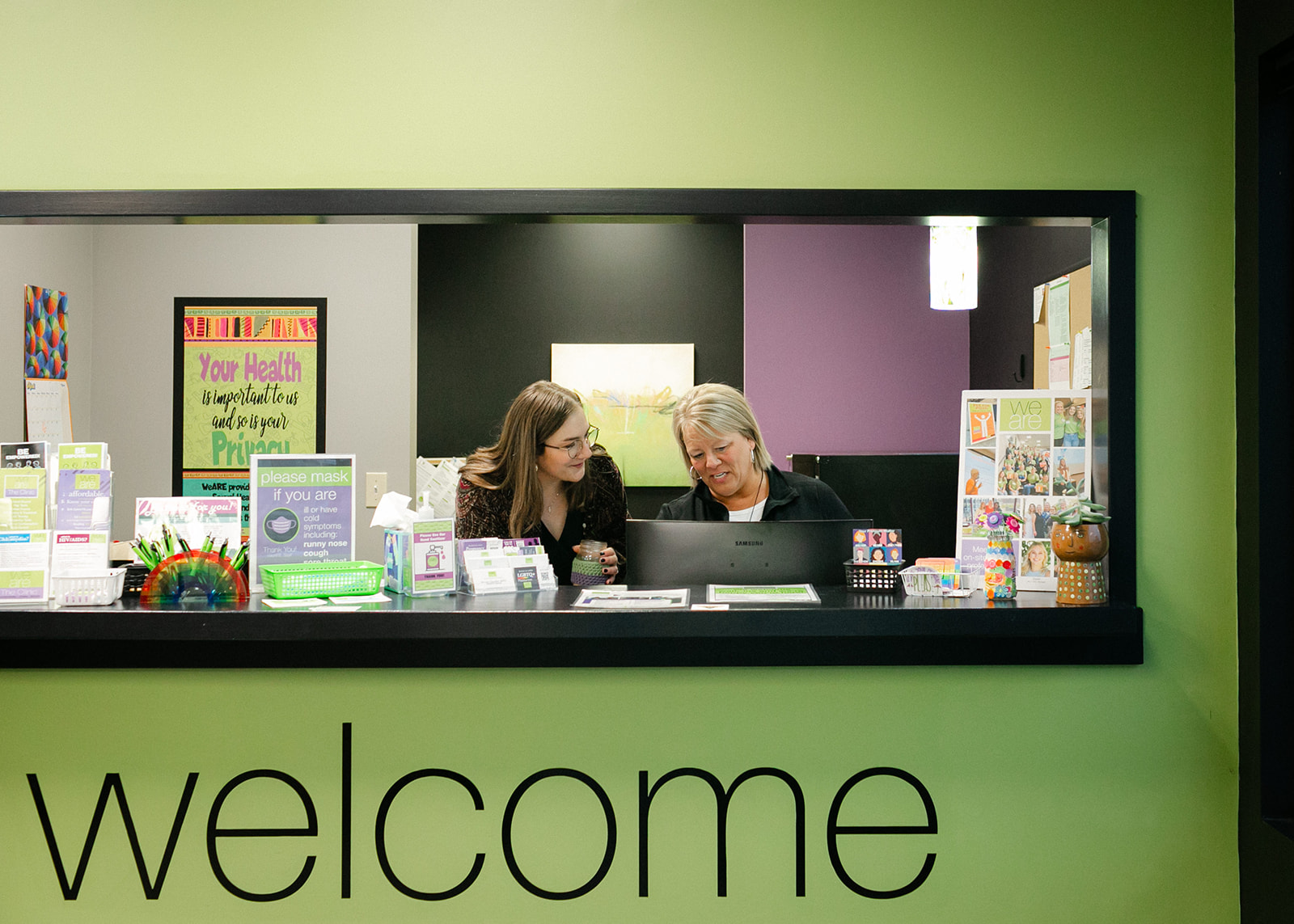
Being a place for compassionate and inclusive sexual healthcare and education
Network member spotlight: WeARE - The Clinic (Brainerd, MN)
View the full July newsletter: Minnesota Health Equity Networks July Newsletter
Tucked in the middle of a strip mall on Oak Street near downtown Brainerd, WeARE – The Clinic boasts cheery bright green and purple signage. It's across the street from the Brainerd Family YMCA and about a block from the local high school. Welcoming and approachable, WeARE is the go-to resource for compassionate and inclusive sexual healthcare, transformational health education programming, and collaborations that serve reproductive justice in the... Continue reading
Being a place for compassionate and inclusive sexual healthcare and education
Network member spotlight: WeARE - The Clinic (Brainerd, MN)
View the full July newsletter: Minnesota Health Equity Networks July Newsletter
Tucked in the middle of a strip mall on Oak Street near downtown Brainerd, WeARE – The Clinic boasts cheery bright green and purple signage. It's across the street from the Brainerd Family YMCA and about a block from the local high school. Welcoming and approachable, WeARE is the go-to resource for compassionate and inclusive sexual healthcare, transformational health education programming, and collaborations that serve reproductive justice in the Brainerd Lakes Area.
“Success happens every day at WeARE. We love creating the space for folks to ask questions, make their own medical decisions, and leave feeling taken care of and confident about their sexual health.” – Devon Charlier, Executive Director, WeAre - The Clinic
WeARE, which stands for Advocates for Reproductive Education, was formed in 2015 out of concern for high unintended pregnancy rates in Crow Wing County. The four women on the founding board, Becky Twamley, Susan Hadland, Julie Ingleman, and Cindy Moore, brought a wide range of skills and knowledge to the founding of WeARE, including expertise in women's health, global health, public health, pharmacy, reproductive health, marketing, and social service.
While WeARE’s initial focus was education, the clinic opened in October 2017, providing comprehensive reproductive healthcare services to the Brainerd Lakes Area and beyond. By 2018, they had over 300 patient visits. Five years later, in 2023, they had over 780 visits and more than 500 returning patients. WeARE also has longstanding partnerships with Central Lakes College and the Relationship Safety Alliance and operates outreach clinics to further serve community members. The WeARE education program, Let’sTalk, has also grown to meet the massive need in the community for evidence-based, medically accurate, inclusive, and developmentally appropriate information about sexual health, healthy relationships, consent, and identity. It reaches community members over 2,000 times annually.
“Positive youth development is foundational to the work done at WeARE. This means that we feel that young people are capable of making decisions, and they should be involved in decision-making processes.” – Devon Charlier
WeARE has an active Youth Advisory Council (YAC), and young people are deeply engaged in the organization's work. Authentic youth-adult partnerships are created and maintained. According to Devon, the key to positive youth development is a “strengths-based approach instead of a deficit-based approach."
"Youth have many strengths and are important members of our society. They care about what is going on around them and need to know that adults want to support them in their growing independence and responsibilities." - Devon Charlier
Devon defines reproductive justice by quoting a study, "Reproductive justice considers the ways that socioeconomic status, gender, and race shape reproductive health care experiences and health policy." That definition includes the right to have children, not to have children and to parent in safe and supportive environments.
"At WeARE, we work to integrate the reproductive justice approach into all that we do.” - Devon Charlier
When community members expressed a need for support to the parents and family members of folks with or exploring transgender nonbinary gender identities, WeARE offered support groups. They also asked for feedback, which revealed the need to build an increased level of trust and engagement with community members who are trans, nonbinary, and gender nonconforming. WeARE plans to continue to adapt its efforts to offer support through feedback from paid listening sessions. Using that input, they hope they can better support the entire regional community with WeARE’s education and healthcare services in the future.
“A further challenge is that we are living in a time of unprecedented levels of hate and violence toward folks with marginalized identities, coupled with intensifying restrictions on access to reproductive and sexual healthcare while rates of sexually transmitted infections (STIs) and unplanned pregnancies, especially among young people, continue to rise.” – Devon Charlier
It hasn't all been easy. WeARE experienced several roadblocks since its founding, including space, funding, and staffing challenges. They rely on state and foundation funding and generous individual donors to ensure they can serve each person who walks through their doors. Unfortunately, due to a lack of medically accurate reproductive and sexual health education and resources for students and people of all ages in communities like Brainerd, there is significant stigma and shame that surrounds the idea of sexual health. This has prevented many local funders and individuals from publicly supporting their work. As WeARE continues to provide needed services, they seek more support through funding opportunities, volunteers, and donations while adapting their strategies to meet the needs of their community.
“Our goal is to care for more patients and educate more people each year, and ultimately create a culture change across our community that is conducive to everyone thriving. Our focus keeps us grounded and connected to what's most important – serving the health and wellbeing of those who need us most in our region.” – Devon Charlier -
Share Listening to what youth and community want and need on Facebook Share Listening to what youth and community want and need on X (formerly Twitter) Share Listening to what youth and community want and need on Linkedin Email Listening to what youth and community want and need link
Listening to what youth and community want and need
over 2 years ago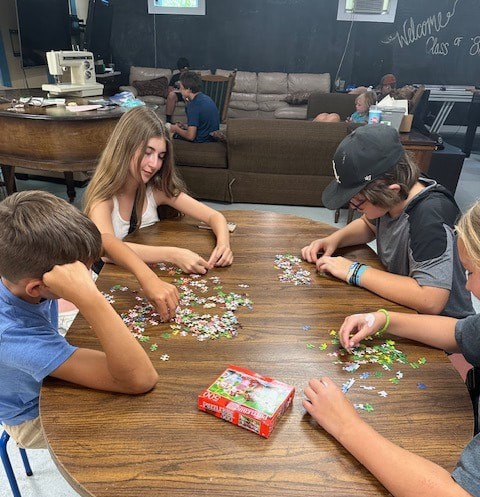
The lower level of the CornerStone Community and Youth Center in Frazee, MN, is a hive of activity. A 40-foot chalk wall, a pool table, ping pong, foosball, TV, and gaming offer artistic creativity and fun. In the Maker’s Space, youth can cook and eat in a full kitchen, with a pantry and cupboards full of ingredients for budding young chefs and cooks. They can learn to make t-shirts, woodworking, painting, sketching, and pottery. Youth can operate equipment like 3-D printers, laser engravers, Cricut Maker 3, and screen printers. Offered to youth from 4th to 12th grade as a free... Continue reading
The lower level of the CornerStone Community and Youth Center in Frazee, MN, is a hive of activity. A 40-foot chalk wall, a pool table, ping pong, foosball, TV, and gaming offer artistic creativity and fun. In the Maker’s Space, youth can cook and eat in a full kitchen, with a pantry and cupboards full of ingredients for budding young chefs and cooks. They can learn to make t-shirts, woodworking, painting, sketching, and pottery. Youth can operate equipment like 3-D printers, laser engravers, Cricut Maker 3, and screen printers. Offered to youth from 4th to 12th grade as a free drop-in center, community members and families can join the Center and, with a membership, can take advantage of these opportunities outside of regular operating hours.
“It's wonderful chaos. And when you walk in there, no one is on their phone." - Karen Pifher, Co-Owner of Creative Community Consulting.
CornerStone Community and Youth Center was founded and built on the voices of local youth with the goal of improving mental wellbeing in the community. In 2019, Essentia Health completed a community needs assessment, which showed that the top concern in the community was youth mental health. Youth focus groups identified root causes: youth didn't feel cared for, had no safe place to gather with friends, eat together, or be involved in meaningful activities outside of school sports. Teens were asked to describe "the best place to be a kid" and illustrate their ideas through brainstorming and creating a community map. The process was repeated with adults. A steering committee of stakeholders from churches, schools, and community groups worked to develop a vision ever since.
They began in small ways. Community members created a mural in town, they launched community events, and youth created window art. At the height of COVID, a church showed drive-in movies. Though these efforts were successful, it soon became evident that a nonprofit youth center was badly needed, and income to support the Center would be required. A local church offered to donate its building, and the site for the CornerStone Youth and Community Center was established. The building needed a complete renovation; volunteers did 90% of the work through a grassroots effort. Planning and design specifics were based on input from children and youth in the community. Despite unforeseen delays, repairs, and expenses, the doors to the lower level opened in the spring of 2023.
“You start getting momentum, and one success leads to another. Things just keep growing!” - Karen Pifher.
Noting that Native American youth and LGTBQIA2S+ youth experience greater health disparities, CornerStone received Health Equity grant funding to learn how to support the wellbeing of these youth culturally, environmentally, and in other ways. A Native American cultural committee identified specific goals, including language immersion, cultural training, and access to Indigenous art and ceremony. When asked, LGTBQIA2S+ youth said there was a clear need for staff training in the school - so an LGTBQIA2S+ mental health professional provided education to all high school employees. Additionally, policies were updated to support diverse youth and cultural beliefs.
To date, 300 school-age children have registered, and 200 volunteers have contributed to the Center's success. Each day, about 40 to 50 youth attend the Center. In June, the second-floor bistro opened for business. The facility will be sustainable by implementing a coffee and crepe bistro, retail and gift shop, maker's space, performing arts, and space rental.
“We have very important things in place: a governing board, a sustainable and investigated business plan, ongoing income sources, and qualified individuals to build the organization.” – Adapted from CornerStone Community and Youth Center website.CornerStone staff hope to hire an on-site Indigenous cultural lead to continue building connections and engagement with youth and coordinating activities. There is also discussion about a possible Family Resource Center. Above all, they will work to reach those they haven’t reached by continuing to listen to what is wanted and needed in the community.
CornerStone Community & Youth Center is not just a building; it's a lifeline for our community. – Cornerstone Community and Youth Center Website
-
Share Making human to human connections on Facebook Share Making human to human connections on X (formerly Twitter) Share Making human to human connections on Linkedin Email Making human to human connections link
Making human to human connections
over 2 years ago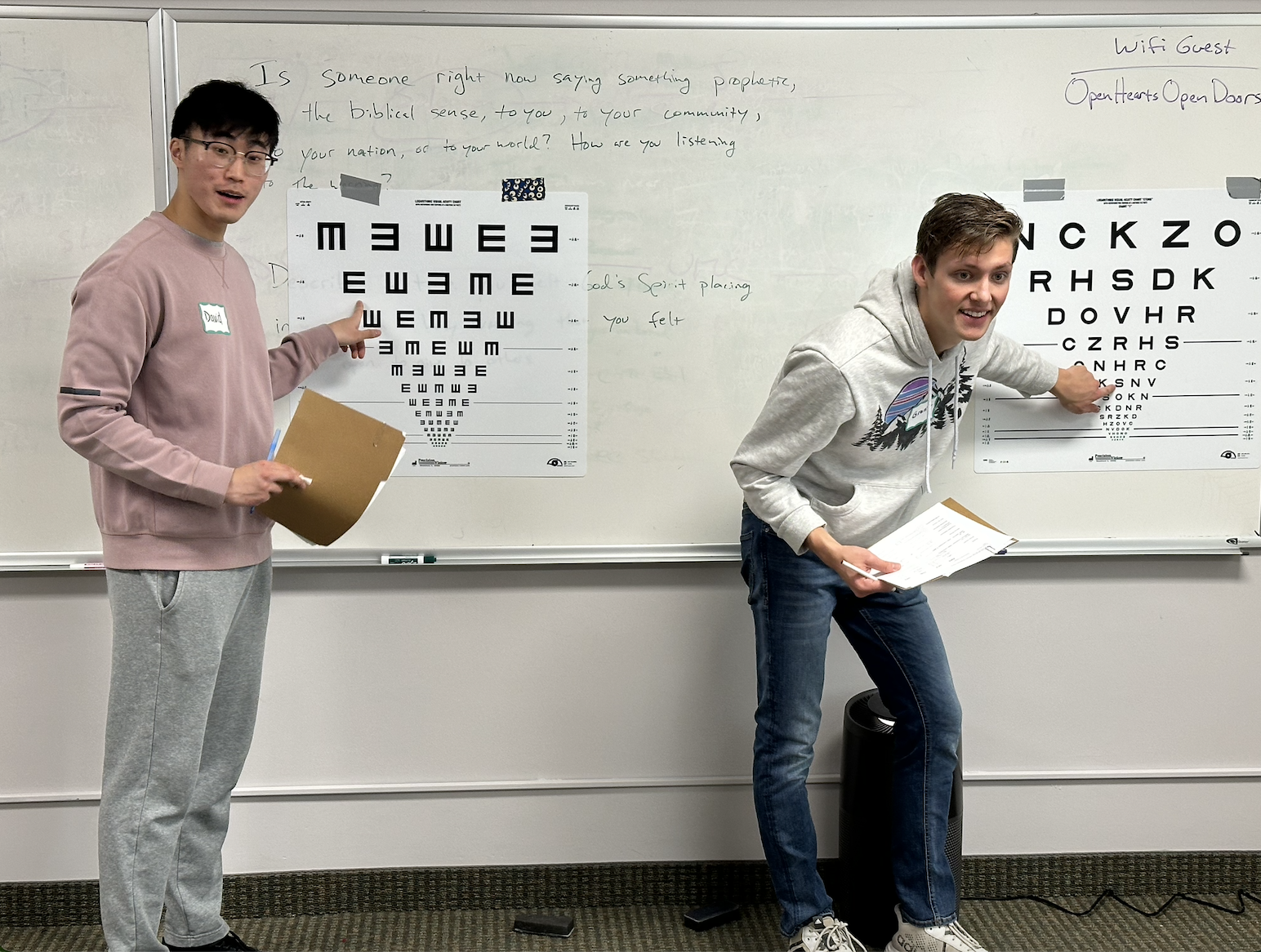
Making human-to-human connections
Network member spotlight: Zumbro Valley Medical Society Foundation Street Medicine Program
View the full May newsletter: Minnesota Health Equity Networks May Newsletter
Three years ago, Zumbro Valley Medical Society (ZVMS) started a Street Medicine program. This program brings together physicians, medical students, community partners, and individuals with lived experience to identify and create effective ways to improve health care for people experiencing homelessness in Olmsted County.
We need to adapt to people and their circumstances rather than expect people to adapt to us.” – Beth Kangas, Executive Director, ZVMS
During “street rounds,” a physician and medical student... Continue reading
Making human-to-human connections
Network member spotlight: Zumbro Valley Medical Society Foundation Street Medicine Program
View the full May newsletter: Minnesota Health Equity Networks May Newsletter
Three years ago, Zumbro Valley Medical Society (ZVMS) started a Street Medicine program. This program brings together physicians, medical students, community partners, and individuals with lived experience to identify and create effective ways to improve health care for people experiencing homelessness in Olmsted County.
We need to adapt to people and their circumstances rather than expect people to adapt to us.” – Beth Kangas, Executive Director, ZVMS
During “street rounds,” a physician and medical student join a county social worker to visit people living in encampments, under bridges, and on street corners to identify the medical and social services they need.
Collin’s story shows how street rounds can go beyond health care for the people it serves. A year ago, Collin fell off a bridge and injured his head and knee. His choices were to go to the emergency department or return home, which at the time consisted of two shopping carts and a blanket. He opted for home. The next day, the street medicine team visited him, examined him, and gave him bandages and pain relief. Two months later, he attended a one-day community meeting that ZVMS Street Medicine was holding to learn about people’s experiences with medical care. Since then, Collin has helped ZVMS Street Medicine design and facilitate projects. Soon, Collin will have an apartment of his own and will continue to collaborate with ZVMS Street Medicine as it moves forward. His lived experience and knowledge about housing insecurity make him a valued team member.
ZVMS Street Medicine takes a three-pronged approach to addressing health inequities:
- Provide direct care to people in their own environments through street rounds and community clinics;
- Train the medical community to provide high-quality, compassionate healthcare outside of traditional clinical settings;
- Advocate for changes in systems and processes that affect the healthcare that people receive.
Community clinics begin with concentrated one-day events, such as a foot care clinic. The skills and supplies are then dispersed to smaller drop-in clinics at additional locations, such as weekly foot soaks at Dorothy Day Hospitality House. ZVMS Street Medicine also held two eye care clinics in 2023 that served close to 250 people, along with a dermatology clinic in April of 2024. Another eye care clinic is planned for June of 2024.
“This kind of work helps avoid physician burnout. They can prioritize everyone’s humanity more than a system.” – Beth Kangas
ZVMS Street Medicine also offers a Street Medicine optional elective for first-year medical students at Mayo Clinic Alix School of Medicine (MCASOM). Two-thirds of the current first-year class of future physicians participated this year. In addition, Street Medicine content has been added to the MCASOM curriculum.
ZVMS Street Medicine is currently implementing two other programs. One aims to improve the medical discharge process for patients experiencing homelessness. The second project draws on people with lived experience of homelessness and hospitalization to create guidelines for the development of recuperative care (also known as “medical respite”) in Olmsted County. The project will serve unhoused patients who are discharged to “home,” but need a place other than a tent or overnight shelter to heal.
“We put a lot of work into educating people, reducing stigma, and making human-to-human connections. In this way, we can address stereotypes and work together to find solutions.” – Beth Kangas
-
Share Meeker-McLeod-Sibley Community Health Services on Facebook Share Meeker-McLeod-Sibley Community Health Services on X (formerly Twitter) Share Meeker-McLeod-Sibley Community Health Services on Linkedin Email Meeker-McLeod-Sibley Community Health Services link
Meeker-McLeod-Sibley Community Health Services
over 2 years agoNetwork member spotlight: Meeker-McLeod-Sibley (MMS) Community Health Services
View the full April newsletter: MN Health Equity Networks April 2024 Newsletter
Meeker-McLeod-Sibley (MMS) Community Health Services has been working on data-driven health equity initiatives for almost a decade. However, their current work stems from a data gap realized through their most recent Health Equity Data Analysis (HEDA). HEDA focuses on identifying health inequities among specific groups. The analysis showed that Hispanic residents were underrepresented in their area’s data collection.
MMS staff responded by ensuring that the questions used in the HEDA tool were translated and culturally appropriate. They considered the cultural... Continue reading
Network member spotlight: Meeker-McLeod-Sibley (MMS) Community Health Services
View the full April newsletter: MN Health Equity Networks April 2024 Newsletter
Meeker-McLeod-Sibley (MMS) Community Health Services has been working on data-driven health equity initiatives for almost a decade. However, their current work stems from a data gap realized through their most recent Health Equity Data Analysis (HEDA). HEDA focuses on identifying health inequities among specific groups. The analysis showed that Hispanic residents were underrepresented in their area’s data collection.
MMS staff responded by ensuring that the questions used in the HEDA tool were translated and culturally appropriate. They considered the cultural connotations of the tool’s word choices when conducting the survey. The staff collecting responses worked to establish trusted relationships with the Hispanic community with the goal of collecting the most accurate data possible and connecting with community members who might not otherwise participate.
“We’ve had a great response from community members in learning and growing together.” – Vlada Gladis, Health Educator, Sibley County Public Health and Human Services (Meeker-McLeod-Sibley CHS)
Photo of Meeker-McLeod-Sibley Community Healthy Services staff. Photo courtesy of MMS CHS.
Through these conversations, MMS staff deepened their understanding of the Hispanic community and the health barriers its members often face, such as poor nutrition, limited exercise options, language barriers, immigration status, access to and quality of health care, transportation, mental health issues, and racism.
“We were able to learn a lot about the Hispanic members in our communities. For example, that Hispanic is the preferred term when describing and referring to the culture.” – Vlada Gladis
MMS staff understood that to create lasting connections and improve their data, they had to include the community in the entire process. They took the time to follow up, share results, and ask if there was any other information to give. Vlada said that they consistently focus on making sure that when staff connects with a community member, that connection is beneficial for all parties in the present and into the future.
Using Regional Healthy Equity Network Grant funds, the MMS Community Health Services focused on building community connections and educating the public on health equity. They have organized events and led discussions on how to address community needs. MMS Community Health Services recently sponsored a “Bridges Out of Poverty” workshop, which will be followed by more training for community stakeholders. Dr. Terry Wu presented information on the neuroscience of belonging in his presentation of “Us vs. Them,” and MMS will soon host a Poverty Simulation event in partnership with United Community Action Partnership (UCAP).
“At each event, we learn of more members in the community who have the desire to collaborate to advance health equity.” – Vlada Gladis
Vlada says, “We are striving to develop a network of these amazing individuals who can collectively move our communities forward.”
The project also includes building connections with other cities and counties where collaboration already has established momentum. They plan to continue gathering information from community members and use it to create a framework that addresses needed change.
“We’re planning to give individuals from all backgrounds seats at the table. We hope that individuals will share their insights, contribute in a way that they find meaningful, and create bridges to meet the needs in our communities.” – Vlada Gladis
|
Hola/Hello! I am Lil Piñero, Network Coordinator for the Metro Region. I have been at MDH since January 2022. So, why health equity? I was inspired to seek out a position promoting health equity after working on the COVID response. I witnessed how impactful inclusion and belonging can be and how relationship building can knock down barriers right before my eyes. It was a powerful experience and I wanted more of that in my world. |
During my time with the Networks, I have had the pleasure of meeting some amazing people working to advance health equity efforts in their communities. One of those groups is the Dakota Child and Family Clinic. I was invited to visit the clinic and from the moment I walked in the door, I was in awe of how inclusive and welcoming the entrance was. I met a beautifully diverse staff who told me so many stories of how the communities and staff came together to help build the clinic into what it was. I learned about the ways they incorporated equity along every step of their care model. I remember thinking “this is what it is all about, this is health equity at its best in a community clinic.“ I have many organizations and local public health departments that share this passion to advance health equity where they work and where they live. Change is not linear nor fast, but it is certainly possible. My hope is that, along with the many partners I have met, we support each other in the process of moving from occasionally viewing our work with an equity lens to a more permanent vision that includes health equity at every step. If I haven’t met you yet, I hope to meet you. Please feel free to reach out to me. Fun fact: I LOVE Alpacas! - Lil Piñero, Metro Region Coordinator |
Welcome, TC!
I am TC Duong, the new Health Equity Capacity Specialist. In this role, I support Network staff, build out tools and trainings, and document the real and tangible outcomes created by building equity capacity. I come to the team from the Blue Shield of California Foundation, where I managed a funding portfolio focused on equity-centered collaborations across sectors, such as health care, housing, and education. |
In California, I co-created a resource called the Equity in Collaboration Toolkit that Network partners may find useful. There are many resources to support equity at the organizational level; however, this toolkit is unique because it supports equity practice related to collaboration. The toolkit includes an assessment designed to capture equity values, practices, and behaviors; a guide to start equity conversations; and a resource list. The assessment is a series of questions to help groups place themselves on a continuum of forming, learning and thriving in equity work. The assessment helps users understand where to begin with the toolkit. After two months of being part of the Health Equity Networks, I have gained much appreciation for the team’s work. They are not only coordinators but trainers and thought partners with local public health, community organizations, and Minnesota Department of Health staff. Our coordinators give space for folks to take a breath, reflect, and appreciate that they are impacting health equity and consider how to move the work further. I look forward to connecting with partners and community members as we continue this work. |
Reflections and activity highlights from the regional coordinators.
'Tis the season of fall transition! The Networks' Metro Regional Coordinator, Lil Pinero, has taken a new position within the Minnesota Department of Health doing youth substance misuse work. The Networks team is excited for Lil, and we will miss her on our team. With Lil's transition, we've been discussing how we can serve the Metro in her absence. If you have thoughts about this or how the Networks can best serve any region, please reach out to a regional coordinator.
We value your input, as we are always working to build out programming that is reflective of your needs and ideas.
In solidarity,
The Minnesota Health Equity Networks team
Our team at the Minnesota Health Equity Networks has been deeply engaged in discussions about our vision and future work, imagining what the next few years will bring. These conversations have been both productive and enjoyable. One particularly inspiring discussion led us to envision advancing health equity as if it were a recipe for a dish or even a full meal. We began considering the essential ingredients and the steps required to achieve health equity.
The coolest part of this process was realizing there’s no single right way to make this “meal.” The recipe needs constant adjustment, and sometimes, our efforts don’t yield the desired outcome. When that happens, we reflect on the ingredients or steps that impacted the result and then start again.
We brainstormed some ingredients to include on our recipe card (see below). What else could be included? What ingredients are missing? What directions do we need to add? What has worked well for you?
Thanks for adding to our collective recipe with us,
Shor

Reflections on the start of the Health Equity Networks from Jeannette Raymond, Public Health Practice Assistant Section Manager
This past September, Shor Salkas and I presented the Health Equity Network project to our Centers for Disease Control (CDC) Grant Manager. It was impressive to pause, reflect, and report on all the work of network participants, staff, grantees, and supporters. Here’s some of the story:
In the Spring of 2021, Kou Thao, the director of the Center for Health Equity, asked the Center for Public Health Practice and its Community Engagement (CE) Team to develop a funding proposal for a statewide equity network project. The team’s engagement and equity expertise and the section’s relationships with local and tribal public health provided a strong foundation for reaching every part of the state.
In the Summer of 2021, A CDC COVID Equity grant was awarded to build the relationships between the health equity capabilities of governmental and community-based public health organizations through regional networks and grants. The CE Team researched the components of successful networks through meetings with existing network projects and a literature review. From this, they developed a project design, position descriptions, evaluation approaches, and more.
Between the Spring and Fall of 2022, all Networks staff were onboard. In a phenomenal effort for a new project with new staff, six regional networks were launched, and the first request for grant proposals was posted.
As of September 2024, the Health Equity Networks have increased knowledge, skills, and abilities for health equity and community partnerships by generating stronger relationships, fostering new partnerships, and spurring organizational changes. 2285 people attended statewide and regional gatherings; network coordinators met with 478 partners; 1383 people participated in statewide and local trainings; 50 organizations were funded; and about 5300 people received the monthly newsletter.
My participation in developing, launching, and implementing the Health Equity Networks project is one of my “points of pride” as I move into retirement. With future funding now secured, I know we are all looking forward to what is yet to come!
May you be guided by the lessons of our past and use them to build a more equitable future
Reflections and activity highlights from the regional coordinators.
My time with the Health Equity Networks has been incredibly fulfilling. While I am saddened to step away from regional work, I'm grateful for the experiences and relationships I've built along the way. I'm excited to begin a new chapter as the Cannabis and Substance Use Prevention Grants Manager within the Minnesota Department of Health Office of Statewide Health Improvement Initiatives Division.
Over almost three years, my perspective on health equity has evolved. I've realized that health equity means different things to different people. I've learned that to truly make a difference, it's essential to meet people and communities where they are. I've also discovered incredible equity work happening in southwest Minnesota and across the state—work that often goes unnoticed or uncelebrated. The partners doing this important work deserve much more recognition for their tireless efforts.
One such organization is Horizon Public Health. They have done impressive work implementing health equity initiatives, especially through the Network's grant funding. Horizon Public Health has made significant strides in advancing equity within its own programs and has become a valuable resource for others working to create shared language and understanding around health equity. This is a great example of how localized efforts can have a broad impact, and it's been inspiring to witness the positive outcomes of their dedication to equity.
I hope the Southwest Region continues to build more connections and trust, leading to even more progress in equity work. Organizations and communities actively working together can ensure that all individuals, regardless of background or circumstance, have an opportunity to thrive. I will continue to be an active member of the Network and be involved in health equity efforts within my community and region. Although my role is shifting, I hope to remain connected to the amazing people I've met in the Southwest region and across the state.
I sincerely want to thank everyone I've crossed paths with throughout my journey. Your contributions—whether you are aware of them or not—help shape the networks and further the work of health equity in profound ways. - Anna Rogotzke
As I bid farewell to MDH and the Health Equity Networks at the end of December, I have been reflecting on the work my team and I have done over the past three years. So many memories and emotions are surfacing that I have been getting a little sentimental.
When I accepted the Health Equity Network Coordinator position in 2021, I had no idea what a life-changing experience it would be. I was interested in this work because I am passionate about improving the health outcomes for all people in my community and region. I recently retired as the director of a regional food shelf and thought this project would be perfect for my work and life timeline.
I am incredibly proud to have been a part of creating the Health Equity Networks with my thoughtful and creative team members and our regional partners. We have all grown and learned together since taking our first wobbly steps back in 2022. Now we are dancing.
My favorite part of the work has been the many one-to-one meetings with my region's partners. I especially value the opportunities I had to visit leaders where they live and work. I learned so much about the critical services they provide to their communities and how they strive to advance health equity.
The dance continues with some new faces, opportunities, and challenges. I am excited to see what the future holds for the Networks and this work. I am grateful to everyone who has walked and danced alongside me in the past three years.
With gratitude,
Mary Mitchell, NW Regional Health Equity Network Coordinator (Outgoing)
I’m Ben, the new Northwest Regional Health Equity Networks Coordinator, a Seattle-area transplant who moved to in Bemidji in 2020. In 2021, while working at Sanford Health, I earned a Community Health Worker certificate at Northwest Technical College. I then went on to work for PrimeWest Health and the Red Lake Nation. I enjoyed assisting individuals in navigating health care and social service systems, getting connected with resources, and advocating alongside of them. I also participated in the 2023–24 U of M Cohort called Project R.E.A.C.H., which focuses on empowering those in community and public health to make a difference through legislative advocacy and public policy.
While doing this work, I learned a lot about health disparities and social determinants of health. I can’t wait to use that knowledge and experience in my work with the Health Equity Networks!
I’m currently studying social work at Bemidji State University. Additionally, as an Initiators Fellow with the Initiative Foundation, I am working to create a non-profit organization designed to empower and connect LGBTQ2S+ individuals in my area. I enjoy cooking, sharing a laugh with friends, and hosting a local LGBTQ2S+ karaoke night, “Queeraoke.” It has been a joy to have a safe and expressive place here in the Northwoods.
I am excited by the opportunity to fill the role of Northwest Regional Coordinator and strengthen, amplify, and connect the health equity work in the region and the amazing people behind it!
Reach out any time. I look forward to doing this important work with you.
Warmly,
Ben Cahill